

Dana Cohen, Founder of Cohen Counseling
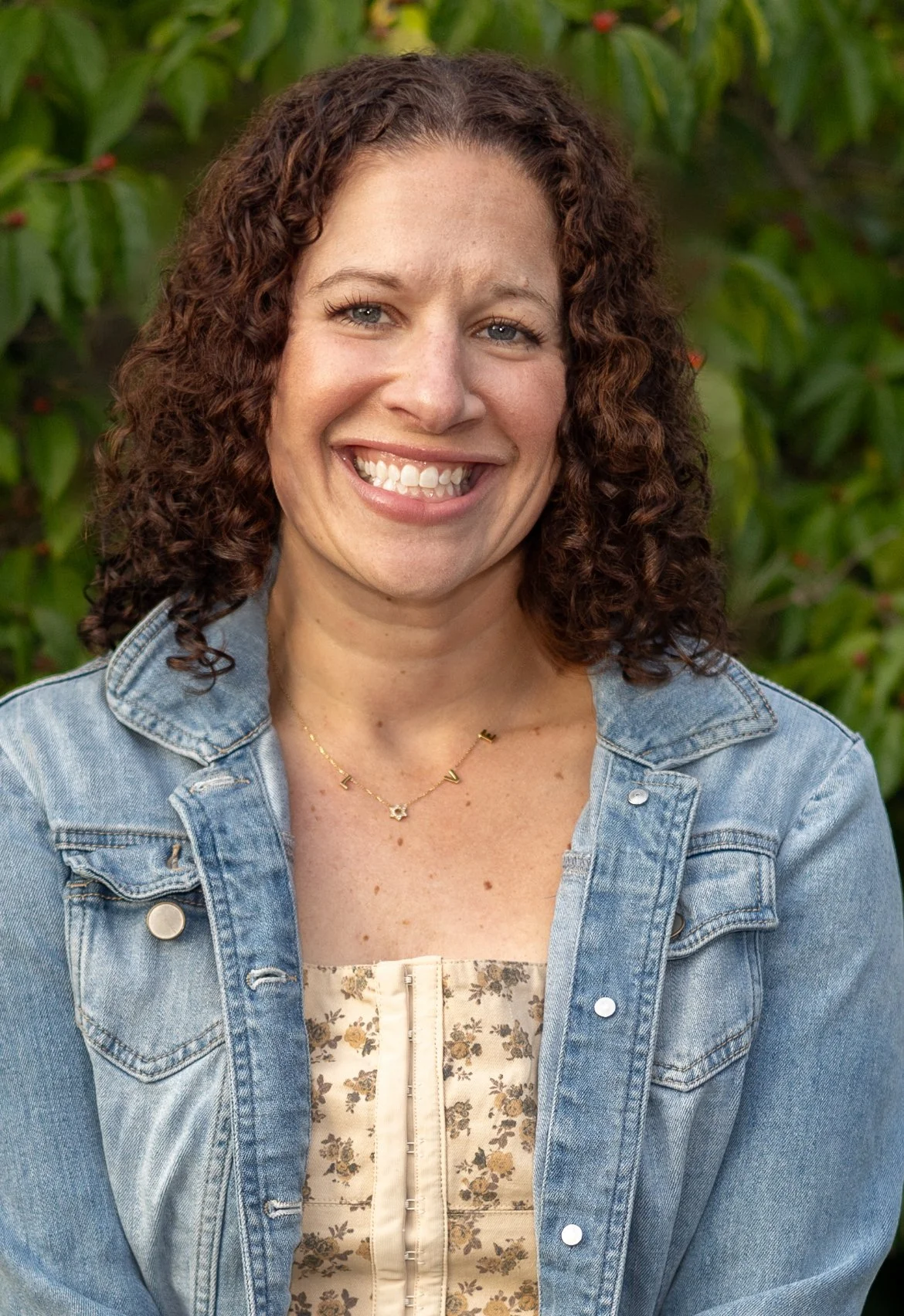
Name: Dana Cohen
Founder: Cohen Counseling
In one sentence, what problem do you solve and for who?
I provide therapy for women navigating eating disorders, trauma, and ADHD, advocate for Jewish safety and representation, and build Jewish-rooted spaces that nurture connection and support.
What's your story? Share how you got to where you are and WHY it is you do what you do.
I became a therapist through lived experience. I recovered from an eating disorder, live with ADHD, and found deep healing through EMDR. Those experiences shape how I practice today: with empathy, cultural awareness, and a commitment to safety. As I supported women navigating eating disorders, trauma, and ADHD, I also came to see how identity and culture profoundly shape healing, especially for Jewish clients.
In March 2024, I learned my name had been included on a “do not refer to Zionists” list, a moment that deepened my commitment to advocacy, education, and Jewish representation. Instead of shrinking, I chose to speak, build, and create spaces where Jews could feel seen, supported, and safe.
Now, alongside providing therapy, I build Jewish-rooted spaces for connection and support, and advocate publicly for Jewish safety, belonging, and representation in clinical and community environments. I do this work because healing is never just individual, it’s cultural, communal, and tied to identity and every woman and every Jew deserves dignity, visibility, and safety.
What does BEING a FoundHer mean to you?
Being a FoundHer means transforming pain into purpose, turning lived experience into leadership, and building communities where people feel grounded, understood, and valued.
How do you support other female founders and women in business?
I support women in business by sharing what I learn, lifting as I rise, collaborating generously, and creating communities where we celebrate one another’s successes and feel safe to be honest about the challenges.
What are three podcasts you listen to that have helped you with your business?
Private practice startup, Dear FoundHer, Autism Moms (it helped me check in to myself and regulate)
What is ONE BOOK that you would recommend every female business owner read?
Jewish Women Entrepreneurs Podcast
Who is a female entrepreneur you look up to and why?
You haha, You are a Jewish woman entrepreneur who uplifts women founders, builds community, and leads with honesty and courage. You show me that Jewish identity and entrepreneurship can coexist powerfully, and that our voices are needed. :)
What are the first five things that you did when you were starting your business?
Set up my legal structure, documentation, and ethical practice systems.
Network to my people and people in therapy spaces.
Website
Bank Account
Created a brand and message
Who is someone who has helped change or shape your business for the better and what did they do to help you?
I used to doubt whether I was smart or capable, and my husband’s belief in me helped me see my strengths clearly and build with confidence.
At what point did you make your company a full time gig? How did you know the time was right?
The pandemic; everyone needed therapy.
What lesson or skill did you take with you from a prior job to help you succeed in your role today?
I was working at a group practice when the pandemic hit, and the need for therapy exploded. Seeing how many people were struggling and how meaningful the work felt, made it clear that it was time to step into my own practice full time.
Let’s talk social media—who handles it for your company (you, an internal team member, an outsourced solution?) and what is the secret to making it successful? What is the biggest challenge?
Me, and I need to work on doing more reels! I struggle with wondering if I should make me a separate business or if I should have it all under Cohen Counseling.
How did you land your first client?
Psychology Today.
What is something you do differently from the industry standard?
I do use self disclosure when it genuinely serves the client. I know some clinicians don’t, but when it’s thoughtful, boundaried, and relevant, it can deepen trust and make therapy feel human.
What actionable tips you would give with other women who want to start a business or are just getting started?
Believe in yourself, the worst someone could say is “no”!
Follow us on Instagram @dearfoundher and join our Facebook community for more conversation.
Make sure you tune in to Dear FoundHer… for new episodes every Tuesday and Thursday.
