
Vinita Patel, Psychologist, Private Practice
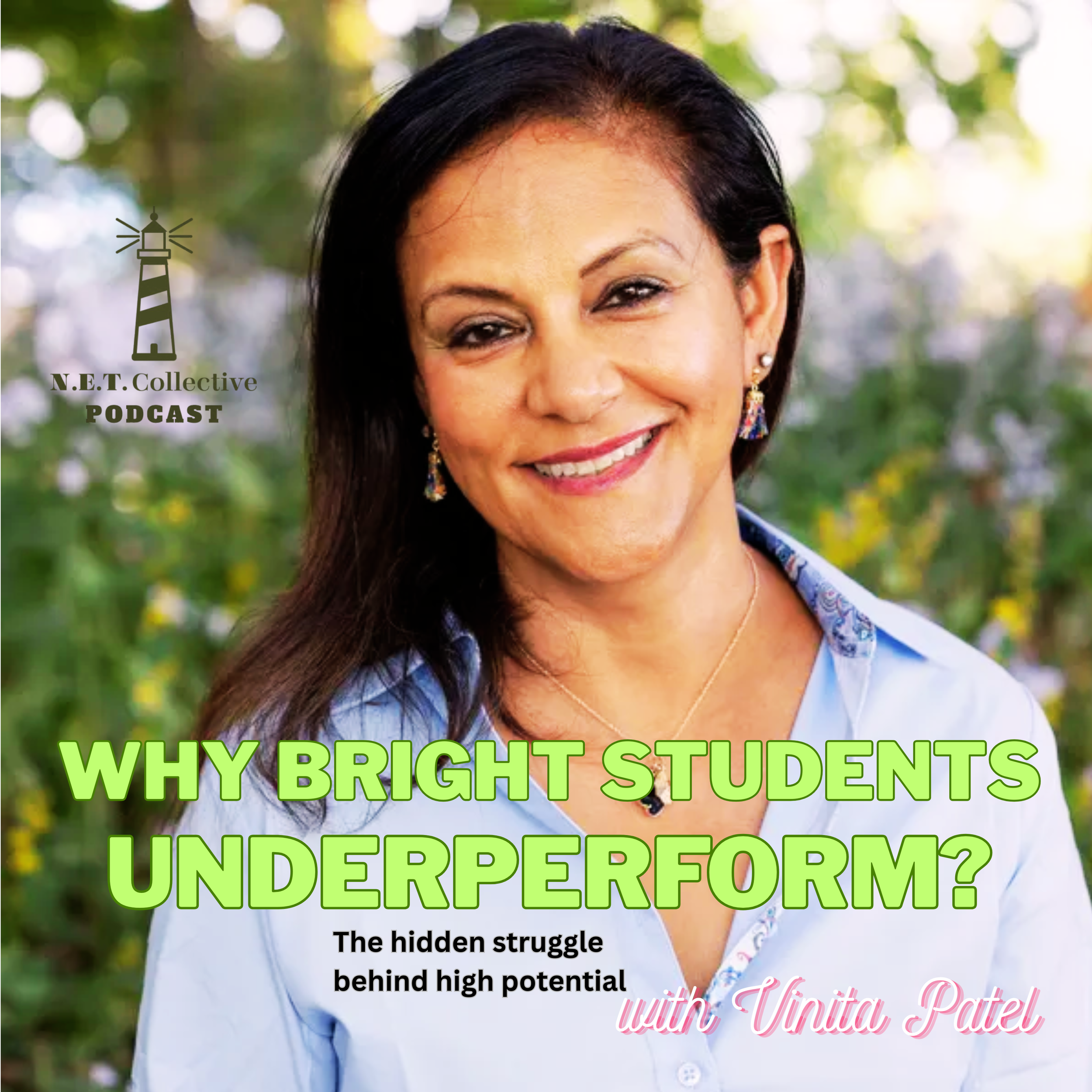
Name: Vinita Patel
Founder: Psychologist, Private Practice
What do you do?
I help capable students, young adults, and families understand why potential isn't translating into performance—and create practical roadmaps to overcome the learning, executive functioning, attention, and emotional barriers getting in the way.
What's your story?
I've always been fascinated by why some people struggle despite being incredibly capable. Early in my career, I realized that intelligence alone doesn't determine success. Many of the students and young adults I met were bright, creative, and full of potential, yet something was getting in the way. Often, it wasn't a lack of ability—it was executive functioning challenges, attention difficulties, anxiety, learning differences, or simply not understanding how they learn best. For more than 20 years, I've helped students, young adults, and families make sense of those struggles and build a path forward. The most meaningful moments in my work aren't the test scores or reports. They're the moments when someone finally feels understood, gains confidence, and realizes they're capable of more than they thought. That's why I do what I do.
What does BEING a FoundHer mean to you?
Though I have just joined, being a FoundHer means being part of a community of smart, creative, supportive women who genuinely want to see one another succeed. As someone who has built a business, I know how valuable it is to have people around you who understand both the rewards and the challenges of building something meaningful. I'm excited to learn from the experiences, perspectives, and expertise of other female entrepreneurs, but I also hope to contribute in meaningful ways myself. I believe there is something powerful about women showing up for one another, sharing what they've learned, and creating opportunities for each other to grow. Being a FoundHer means having a seat at a table where women genuinely support one another. I'm excited to learn, share, contribute, and build relationships with people who understand the journey of creating something from the ground up.
How do you support other female founders and women in business?
I support other female founders in both big and small ways. Whenever possible, I use their services, refer clients and colleagues to them, write reviews, share their work, and recommend them within my network. I also believe that support doesn't always have to be formal. Sometimes it's taking a moment to send a compliment, acknowledge someone's hard work, celebrate a success, or let them know the impact they're having in their community and industry. Building a business can feel isolating at times, and I think we all benefit when women genuinely champion one another. I've found that some of the most meaningful support comes from simply showing up, making connections, and helping other women feel seen, valued, and encouraged.
What is ONE BOOK that you would recommend every female business owner read?
If I had to recommend one book to every female business owner, it would be Mindset by Carol Dweck. The book explores the difference between a fixed mindset and a growth mindset, and its message extends far beyond education. Building a business requires us to take risks, learn from setbacks, adapt, and continue growing even when things don't go as planned. Dweck's work reminds us that success isn't about having all the answers—it's about being willing to learn, evolve, and keep moving forward. As someone who works with students, young adults, and families, this perspective has influenced both my professional work and my own approach to challenges.
What are the first five things that you did when you were starting your business?
Sought advice from two others who were in the field and similar space.
Wrote out a 10 step business plan on a brown paper bag while on the El (It was 2004).
Asked around for cheap office sublet space.
Panicked a little, then reframed how it COULD all work out. I was already applying a Growth Mindset decades before the book came out.
Made a list of potential referrals who I believed I could have a professional working relationship with.
What lesson or skill did you take with you from a prior job to help you succeed in your role today?
One of the most important lessons I carried with me from earlier in my career is the power of truly listening. When people feel heard, they feel valued, and that creates the foundation for trust, connection, and meaningful change. I also learned that the best outcomes rarely come from telling people what to do. They come from collaboration. Whether I'm working with a student, parent, young adult, or fellow professional, I believe in meeting people where they are, understanding their perspective, and building a roadmap forward together. Those lessons continue to shape everything I do today.
Follow us on Instagram @dearfoundher and join our Facebook community for more conversation.
Make sure you tune in to Dear FoundHer… for new episodes every Tuesday and Thursday.
