
Nancy Berman, Founder of NANDANIE
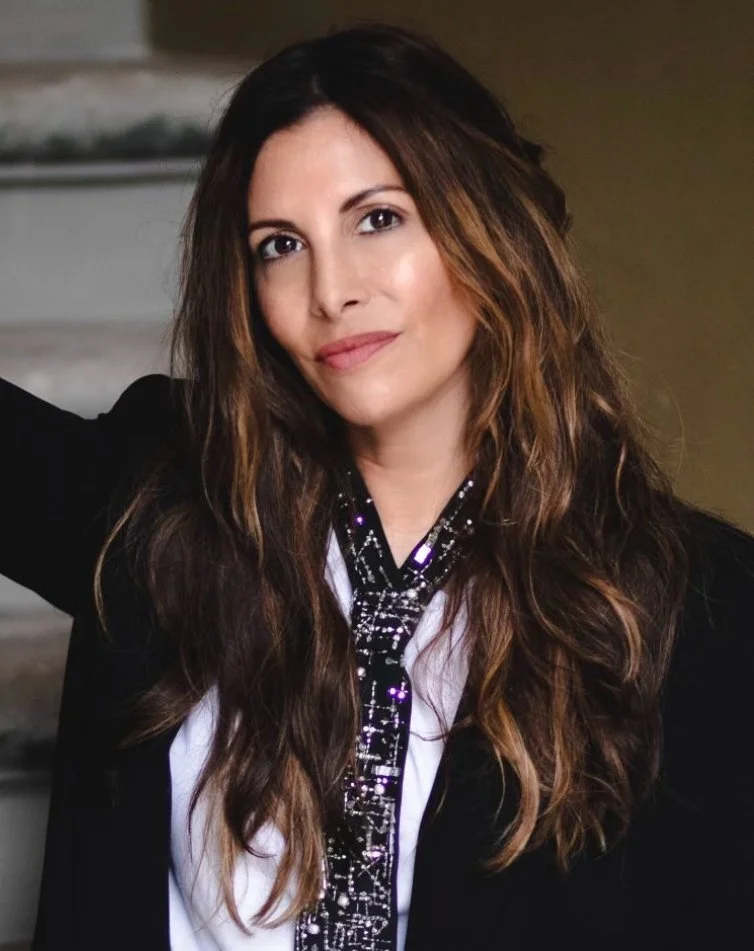
Name: Nancy Berman
Founder: NANDANIE
In one sentence, what problem do you solve and for who?
NANDANIE empowers women who want to dress with confidence and individuality by offering the world’s first luxury necktie brand designed exclusively for women—redefining tailoring, self-expression, and modern femininity through impeccably crafted ties and bows.
What's your story?
NANDANIE was born from a lifelong love of fashion and a belief that it’s never too late to begin again. I founded the brand to fulfill a dream I had put on hold for years—building something creative, and expressing identity through style. The idea came unexpectedly when my son was cleaning out his childhood ties; they fit me better than anything in my closet and instantly reminded me of the ties I wore in college. When I realized there were no brands designing luxury neckties specifically for women, I went all in—teaching myself the industry from the ground up and taking the brand from concept to New York Fashion Week in under a year.
Like many women, I had once prioritized family and followed my husband’s career, relocating to Michigan and postponing my own ambitions. After my divorce, something shifted. In the absence of outside voices telling me what was “practical” or “too risky,” I found clarity and gave myself permission to pursue what had always lived inside me. Today, NANDANIE is not just a fashion brand—it’s a statement about reinvention. I believe deeply in encouraging women, at any age, to understand that starting later doesn’t mean starting from scratch. It means starting with experience, resilience, confidence, and perspective. My hope is to inspire women to see reinvention not as a risk, but as a privilege—and to remind them that they are allowed to evolve, to want more, and to live fully.
What does BEING a FoundHer mean to you?
Being a FoundHer means being part of a community of women who genuinely support, uplift, and champion one another—sharing knowledge, encouragement, and real connection instead of competition. It represents collective strength and the belief that when women show up for each other, we all rise higher, both personally and professionally.
How do you support other female founders and women in business?
I support other female founders by doing what I love most—connecting people. While my social media presence is modest, I have built a strong network through years of advocacy, government, and entrepreneurial work, and I’m intentional about using those relationships to open doors for others. I often prioritize making introductions, sharing resources, and creating opportunities for women to meet the right people—sometimes even before focusing on my own needs. I’ve also hosted gatherings and events in my home for women and organizations I believe in, because I deeply value meaningful, in-person connection. For me, supporting women in business is about building community, fostering collaboration, and helping others move forward through genuine connection.
What are three podcasts you listen to that have helped you with your business?
Admittedly, I don’t regularly listen to business podcasts. When I do listen to podcasts, it’s usually Dan Senor’s Call Be Back.
What is ONE BOOK that you would recommend every female business owner read?
I recently read The Magnificent Lives of Marjorie Post, and while I wouldn’t say it’s the one book every female founder must read, I found it incredibly motivating to see the scale of what a woman accomplished—building an empire, shaping culture, and leaving a lasting legacy at a time when women were rarely given that space.
Who is a female entrepreneur you look up to and why?
I look up to Golda Meir. While she may not fit the traditional definition of an entrepreneur, she was all that and more—an architect, a builder, and a force of vision and resilience. She helped build a nation from the ground up, fundraising tirelessly, making bold decisions under immense pressure, and leading with conviction at a time when few women were allowed a seat at the table. To me, that is entrepreneurship in its highest form: creating something enduring through courage, grit, and unwavering belief in a mission larger than oneself.
What are the first five things that you did when you were starting your business?
When I first started my business, I focused on five core things: I connected with anyone I believed I could learn from; I intentionally put myself in rooms and situations where I knew the right relationships could form; I reached out persistently—sometimes endlessly—which taught me an important lesson that face-to-face connection is far more powerful than cold outreach; I sought real mentorship and guidance as I learned the industry from the ground up; and along the way, I made a conscious effort to give back by supporting others however I could. I truly believe that when you lead with authenticity and contribution, the energy you put out has a way of coming back to you in meaningful and unexpected ways.
Who is someone who has helped change or shape your business for the better and what did they do to help you?
Someone who profoundly shaped my business early on is Emily Burnett. I met her at the very beginning of my journey and hired her as a consultant, and I learned more from her than from almost anyone else in the industry. Emily was an incredibly talented designer who had launched her own label in 2020 and was stocked in major high-end department stores, but the timing of her launch—right as the world shifted—put her business in a difficult position. Our collaboration was mutually meaningful: working together helped me successfully launch NANDANIE, and it also gave her support during a challenging chapter. She brought real-world experience, honesty, and generosity to everything she shared, and she remains one of the most exceptional people I’ve met in fashion.
At what point did you make your company a full time gig? How did you know the time was right?
In many ways, NANDANIE has been a full-time commitment from the very beginning. When I launched the brand, I was working well beyond full time as I taught myself the industry and built everything from the ground up—a process that, in many ways, is still ongoing. While it isn’t my only professional focus—I also hold an appointed government position that takes up a significant amount of my time—between the people I employ and the day-to-day needs of the business, NANDANIE functions very much like a full-time endeavor. Right now, I’m trying to be thoughtful about pace. I’m keeping things steady, not moving too fast, and giving myself the space to figure out what the next right step should be, rather than forcing one before it’s clear.
What lesson or skill did you take with you from a prior job to help you succeed in your role today?
One of the most important lessons I carried with me came from running my cake business. Creating something with your hands that brings people joy is incredibly powerful, and when you genuinely love what you’re making, that energy translates. Just as it was deeply fulfilling to see people light up over a cake made for a special moment, I feel that same sense of pride when someone puts on one of my designs and feels confident, expressive, and seen. That connection—between creativity, craft, and how it makes people feel—continues to guide everything I do today.
Let’s talk social media—who handles it for your company (you, an internal team member, an outsourced solution?) and what is the secret to making it successful? What is the biggest challenge?
Social media has honestly been one of the biggest challenges for my business. I started NANDANIE in my late forties and wasn’t even on Instagram at the time—nor were most of my friends—so I didn’t have the advantage of an existing audience and truly had to start from scratch. Early on, I also had to be very thoughtful about where to invest limited dollars, and social media often competed with many other critical needs of the business. I did hire an outside company at one point, and while they grew my Facebook following significantly, I later questioned how meaningful that growth really was, which made me more cautious. Today, my social media is handled by someone who has been with me since the beginning and knows the brand incredibly well. She does this part-time, and while the follower count hasn’t grown quickly, the content is thoughtful, authentic, and consistently gets wonderful feedback. For where my business is and what my budget allows, it’s been the right fit. The biggest challenge—and goal—remains growing my Instagram following in an organic, meaningful way. Every milestone has felt hard-earned, and even small gains feel like wins. While I know it’s not only about numbers, building visibility there is something I continue to work on and care deeply about.
How did you land your first client?
My first client came through my personal network—it was someone I knew. Like many founders in the early days, the business began with friends and connections who believed in me!
What is something you do differently from the industry standard?
What I do differently is that I don’t fit within an existing industry standard—I had to help create one. When I launched NANDANIE, there simply was no category for women’s neckties. In early meetings with major department stores like Saks Fifth Avenue, I was told there was nowhere to place my product and that women weren’t even buying scarves anymore, let alone ties. Rather than forcing the brand into an ill-fitting box, I focused on redefining how women dress and express themselves. That’s why I value partners like Wolf & Badger so much—they believed in the vision enough to create an entirely new category called “women’s neckties.” That decision didn’t just support my brand; it helped open the door for a new segment in women’s fashion altogether.
Did you raise capital? What was the process and avenue you chose to take?
No, I didn’t raise outside capital. NANDANIE has been fully self-funded from the start, which allowed me to grow the business thoughtfully, maintain creative control, and make decisions that felt aligned with both the brand and my long-term vision.
What would you do differently if you were starting your business today?
That’s a great question. If I were starting again, I would be a bit less trusting and more discerning early on. I’ve had some truly wonderful experiences, but I’ve also learned—sometimes the hard way—that not everyone operates with the same level of honesty or integrity. I never put money above values, and in a few situations that openness led to being taken advantage of, which was both discouraging and eye-opening. It taught me the importance of clearer boundaries and due diligence, and reminded me that while collaboration can be powerful, trust has to be earned.
What are three strategies you use to market your business, grow brand awareness and generate bottom line growth?
My approach centers on organic growth, even if it takes longer. One strategy is letting the product speak for itself—recently, one of my ties was used on a soap opera after a costume designer independently purchased and selected it, without any outreach from me. Moments like that have happened several times, with my designs appearing on television and worn by notable figures purely through discovery. I also focus on building thoughtful retail partnerships and cultivating real relationships within the industry, which helps grow brand awareness in an authentic way. Finally, I prioritize slow, steady brand building over quick wins, believing that credibility, visibility, and long-term growth are strongest when they happen naturally.
What was an obstacle you overcame to get your business where it is today?
One of the biggest obstacles I had to overcome was launching a completely new category in women’s fashion—without a roadmap, validation, or clear place to belong. When I first introduced NANDANIE, buyers at major department stores told me there was nowhere in their stores for women’s neckties and that the market simply didn’t exist. On top of that, I was learning an industry I hadn’t formally trained in, later in life, while navigating personal upheaval and rebuilding after my divorce. There were moments when the combination of skepticism, slow traction, and a few painful business missteps made me question whether to continue. What carried me through was conviction—belief in the product, in women’s desire for self-expression, and in my own ability to learn and adapt. Over time, persistence paid off: partners like Wolf & Badger embraced the vision, created space for the category, and helped legitimize what once felt impossible. That experience taught me that sometimes the biggest obstacle isn’t failure—it’s having the courage to stay the course anyway.
What are three actionable tips you would give with other women who want to start a business or are just getting started?
First, build real relationships. Connect with people you can learn from, but never approach relationships as transactional. Be just as focused on how you can support, connect, and help others as you are on receiving help yourself. The strongest networks are built on mutual support, and I truly believe that when you lead by giving, it comes back in ways you can’t always predict.
Second, choose something you genuinely care about. Every business comes with hard moments, setbacks, and self-doubt. Passion doesn’t eliminate those challenges, but it gives you a reason to push through them. Believing deeply in what you’re building is often the difference between stopping and continuing.
Third, learn to tune out the noise. There will always be people—often well-meaning—who can tell you exactly why your idea won’t work or why it should be done differently. Even when their points sound valid, too much outside input can stall momentum. If you believe in your vision, trust it. Determination and persistence matter more than almost anything else—honestly, I believe they account for the vast majority of success.
Follow us on Instagram @dearfoundher and join our Facebook community for more conversation.
Make sure you tune in to Dear FoundHer… for new episodes every Tuesday and Thursday.
